- Your cart is empty
- Continue Shopping

Sleeping Tablets Non Prescription UK: What You Can (and Can’t) Buy
- Sleep and wellness
- Posted on
-
by [email protected]
- 2 comments
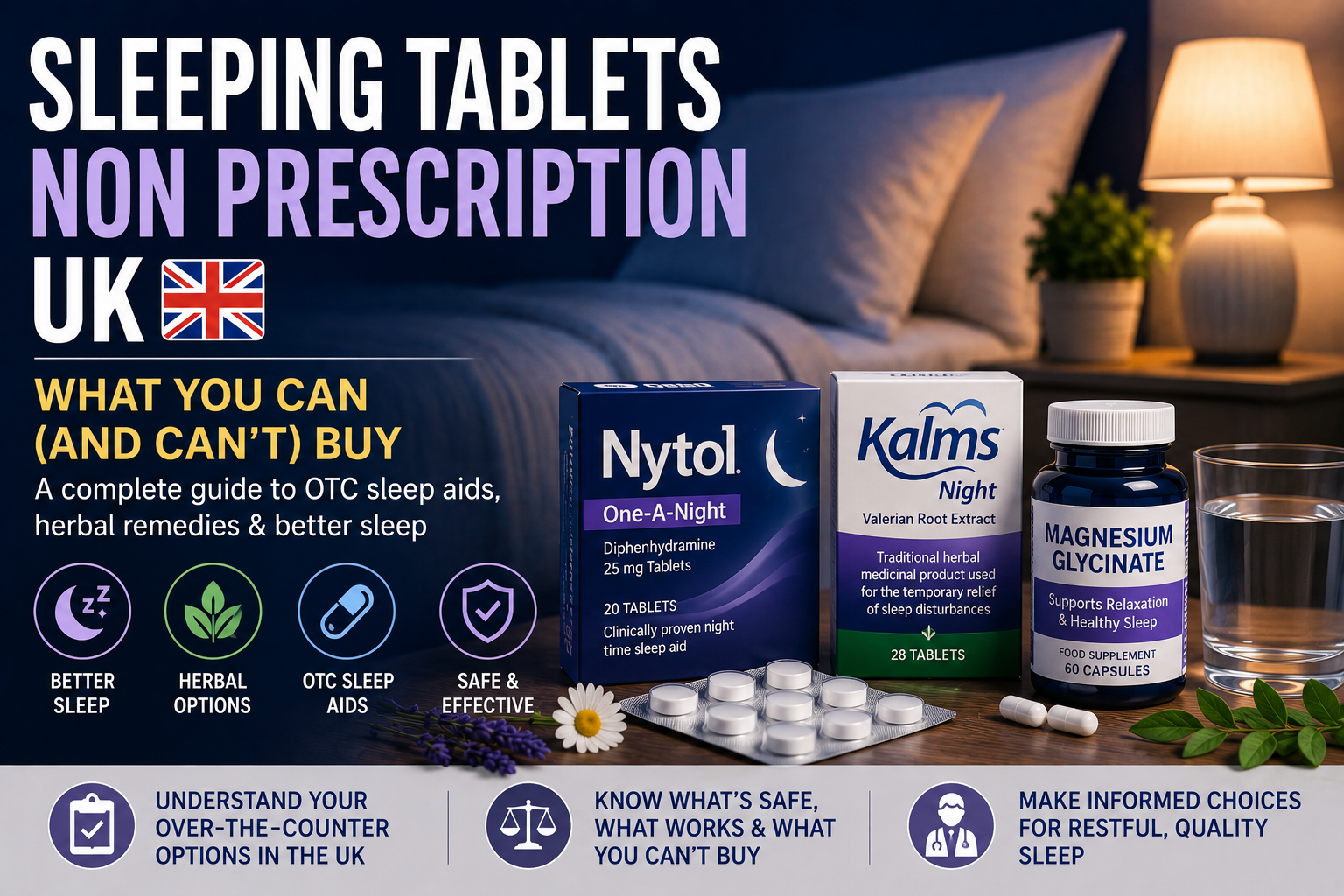
We have all experienced those frustrating nights. You are lying in bed, staring at the ceiling, watching the hours tick by while your alarm clock relentlessly edges closer to morning. When warm milk and counting sheep fail, it is entirely normal to seek a little extra help.
For many Britons struggling with temporary insomnia, navigating the world of sleeping tablets non prescription uk can feel like a minefield. With supermarket shelves and pharmacy counters packed with boxes promising a peaceful night, how do you know what actually works, what is safe, and what is legally available?
This comprehensive guide will walk you through exactly what you can (and cannot) buy over the counter in the UK, helping you make an informed decision to reclaim your rest.

Understanding UK Pharmacy Regulations
Before we dive into specific brands and ingredients, it is crucial to understand the difference between GSL and pharmacy sleep medicines. In the UK, medications are strictly regulated to keep the public safe.
- General Sales List (GSL): These are medicines you can buy off the shelf in supermarkets, petrol stations, and convenience stores. They are generally considered very safe for the vast majority of people to self-select. Most herbal sleep remedies fall into this category.
- Pharmacy (P) Medicines: These are kept behind the counter at a chemist. You do not need a prescription from your GP, but you must answer a few quick questions from the pharmacist to ensure the medication is safe and appropriate for you. The strongest over the counter insomnia relief options belong in this tier.
Understanding this distinction helps you know where to look when shopping for sleeping tablets uk.
Pharmaceutical Sleep Aids: The Heavy Hitters
If you are looking for pharmaceutical options, the non-prescription sleeping pills available at UK pharmacies rely almost exclusively on older, sedating antihistamines. Originally developed to treat allergies, scientists quickly realised their main side effect—drowsiness—could be incredibly useful for short-term insomnia.
Diphenhydramine
Diphenhydramine is the active ingredient in popular brands like Nytol Original, Nytol One-A-Night, and Sominex. It works by blocking histamine, a chemical in your brain that promotes wakefulness.
While highly effective for getting you to nod off, it is important to be aware of the side effects of diphenhydramine sleep aids. Because it affects multiple receptors in the body, you may experience a dry mouth, mild dizziness, constipation, or blurred vision.
Promethazine
Another common antihistamine used for sleep is promethazine, found in brands like Phenergan and Sominex Night-Time. Pharmacists often recommend promethazine hydrochloride for short term sleep disturbances, particularly when they are triggered by a sudden stressful event, travel, or an acute illness. It is longer-acting than diphenhydramine, which makes it excellent for keeping you asleep, but it does require careful timing to avoid morning drowsiness.

The Gentle Approach: Herbal Alternatives
For those who prefer not to take synthetic drugs, the UK market offers a wealth of plant-based options. When weighing up natural vs pharmaceutical sleep remedies, the general rule is that pharmaceuticals act faster and more powerfully, while natural remedies are gentler, carry fewer side effects, and are better suited for mild, ongoing sleep disturbances.
The Nytol vs Kalms Comparison
Walk into any Boots or Superdrug, and you will likely find yourself tossing up between Nytol and Kalms. But what is the difference?
- Kalms Night: Traditionally relies on Valerian root extract, a well-researched herb believed to increase levels of GABA (a calming neurotransmitter) in the brain.
- Nytol Herbal: Nytol’s herbal range often blends Valerian with other calming botanicals like hops and passionflower.
In a direct Nytol vs Kalms comparison, both are excellent GSL choices. If one does not work for you, it is worth trying the other, as individual responses to herbal blends can vary.
A Note on Older Adults
When looking for herbal sleep aids for seniors, plant-based options like Valerian or passionflower are often highly recommended by healthcare professionals. As we age, our kidneys and liver process medications more slowly. Strong antihistamine sleeping pills can lead to severe grogginess, confusion, and an increased risk of nighttime falls in older adults. Herbal remedies provide a much safer, milder alternative to ease seniors into sleep.
Navigating Supplements: Melatonin and Magnesium
The conversation around sleep supplements is heavily influenced by American media, which often leads to confusion for British consumers.
The Law on Melatonin in the UK
If you have ever searched online for sleep aids, you have undoubtedly come across melatonin. It is the hormone your body naturally produces to signal that it is time to sleep. However, you must understand melatonin supplements UK legality.
Unlike in the US, where melatonin is sold freely alongside vitamins, melatonin is classed as a Prescription Only Medicine (POM) in the UK. You cannot legally buy it over the counter or off a supermarket shelf. While some people attempt to import it from abroad via the internet, the MHRA (Medicines and Healthcare products Regulatory Agency) advises against this due to unregulated dosages and potential safety risks. If you believe you need melatonin—particularly if you are over 55—you must speak to your GP.
The Magnesium Alternative
Since melatonin is off the table without a prescription, many Britons are turning to magnesium. Specifically, the magnesium glycinate benefits for sleep quality have been making waves in the wellness community.
Magnesium plays a crucial role in supporting deep, restorative sleep by maintaining healthy levels of GABA and regulating the body’s stress-response system. The “glycinate” form is bound to glycine, an amino acid that itself has calming, sleep-inducing properties. Unlike cheaper forms of magnesium (like oxide), magnesium glycinate is highly absorbable and gentle on the stomach, making it a stellar daily supplement for long-term sleep support.

Targeted Relief: What is Your Sleep Problem?
Learning how to choose the right sleep supplement relies heavily on identifying your specific sleep hurdle. Not all insomnia is the same.
- Trouble falling asleep: If racing thoughts keep you awake at the start of the night, a fast-acting antihistamine (like diphenhydramine) or a calming herbal tincture taken 30 minutes before bed is ideal.
- Trouble staying asleep: Finding remedies for waking up during the night can be trickier. Sedating antihistamines can help, but if you wake up at 3 AM, do not take another pill, as you will undoubtedly be incapacitated the next morning. Instead, focus on daily magnesium glycinate to support your nervous system, or look into slow-release herbal preparations. Keep a lavender rollerball by your bed to soothe your senses without ingesting anything in the middle of the night.
Safe Usage: Avoiding the Pitfalls of OTC Pills
While non-prescription sleep aids are incredibly useful, they must be used with respect and caution.
How Long Should You Use Them?
A very common question pharmacists hear is: how long can you take OTC sleeping pills? The golden rule is short-term use only. You should not use pharmaceutical sleep aids for more than 7 to 14 days consecutively. If your insomnia persists beyond two weeks, it is a signal that you need to visit your GP to investigate underlying causes, such as stress, depression, or sleep apnoea.
Beating the “Sleep Hangover”
Avoiding next day grogginess from sleep aids is paramount if you have to drive or operate machinery. To minimise the “sleep hangover”:
- Timing is everything: Take your tablet at least 20 to 30 minutes before you want to sleep, and ensure you have a full 8 hours dedicated to resting before your alarm goes off.
- Start low: If the packet allows, try a half dose first to see how your body reacts.
- Stay hydrated: Drink a large glass of water upon waking to help your body flush out the remaining medication.
Preventing Reliance
It is vital to focus on avoiding dependency on non-prescription sleep aids. While OTC antihistamines are not physically addictive in the way prescription benzodiazepines are, you can easily develop a psychological dependency. This happens when you convince yourself that you cannot possibly fall asleep without taking a pill. Reserving tablets strictly for the worst nights—rather than taking them preemptively “just in case”—is the best way to prevent this mental reliance.

The Missing Link: Sleep Hygiene
No pill, potion, or herb can out-medicate terrible sleep habits. Improving sleep hygiene alongside tablets is the absolute most effective way to cure insomnia. Think of a sleeping pill as a temporary plaster; sleep hygiene is the actual healing process.
To get the most out of your chosen remedy, implement these non-negotiable sleep hygiene rules:
- The 90-Minute Screen Ban: The blue light from your smartphone suppresses your brain’s natural melatonin production. Put devices away at least an hour before bed.
- Cool and Dark: Your core body temperature needs to drop for you to fall asleep. Keep your bedroom cool (around 16–18°C) and invest in blackout curtains.
- Consistent Routines: Go to bed and wake up at the exact same time every day, even on weekends. This anchors your circadian rhythm.
- Limit Caffeine and Alcohol: Cut out coffee after 2 PM. While a “nightcap” of alcohol might make you feel drowsy, it destroys the quality of your REM sleep, virtually guaranteeing you will wake up in the middle of the night.
The Final Verdict
Navigating the shelves of a UK chemist does not have to be an overwhelming experience. By understanding the distinction between GSL herbs and behind-the-counter pharmacy medicines, you can tailor your approach to your specific needs.
Whether you opt for the robust, short-term relief of an antihistamine, the gentle touch of a valerian root blend, or the daily nervous-system support of magnesium glycinate, relief is available. Remember to use these tools responsibly, never exceed the recommended timeframes, and always pair your chosen remedy with impeccable sleep hygiene. With the right approach, a full, restorative night’s sleep is well within your grasp.

2 Comments