- Your cart is empty
- Continue Shopping



£110.00
Add to cart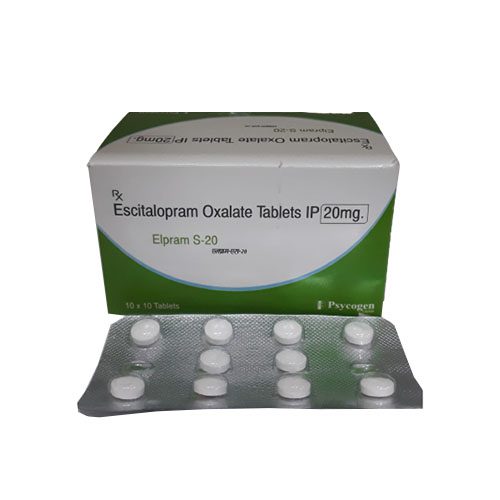
£110.00
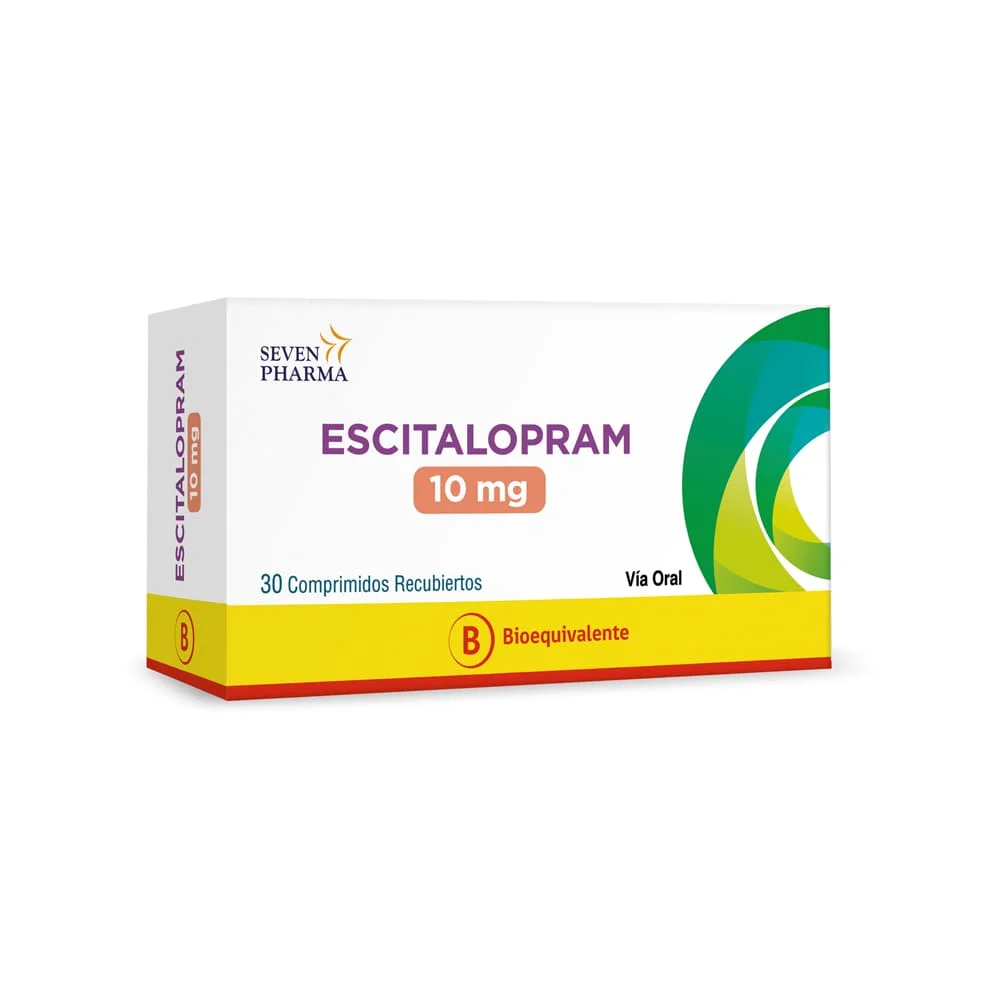
Escitalopram, tablets are used to relieve the symptoms of depression, anxiety, and obsessive-compulsive disorder (OCD) in adults. This medication works by increasing the levels of serotonin, a natural substance in the brain that helps maintain mental balance.
Escitalopram is a widely prescribed antidepressant medication that belongs to a class of drugs known as Selective Serotonin Reuptake Inhibitors (SSRIs). It is primarily used to treat major depressive disorder (MDD) and generalized anxiety disorder (GAD). Below is a comprehensive overview of the drug:
Generic Name: Escitalopram
Brand Names: Lexapro (USA), Cipralex (EU), among others
Chemical Structure: (S)-(+)-1-[3-(Dimethylamino)propyl]-1-(4-fluorophenyl)-1,3-dihydroisobenzofuran-5-carbonitrile
Molecular Formula: C20H21FN2O
Drug Class: SSRI (Selective Serotonin Reuptake Inhibitor)
Escitalopram is the S-enantiomer of citalopram, meaning it is the more pharmacologically active part of the citalopram molecule.
Escitalopram works by increasing serotonin levels in the brain. It does this by inhibiting the reuptake (reabsorption) of serotonin (5-HT) into the presynaptic neuron, thereby increasing its availability in the synaptic cleft. This improved serotonin signaling is believed to enhance mood and reduce anxiety.
Major Depressive Disorder (MDD)
Generalized Anxiety Disorder (GAD)
Obsessive-Compulsive Disorder (OCD) – off-label
Panic Disorder – off-label
Social Anxiety Disorder (SAD) – off-label
Post-Traumatic Stress Disorder (PTSD) – off-label
Premenstrual Dysphoric Disorder (PMDD) – off-label
Typical Adult Dose for Depression or Anxiety:
Initial: 10 mg once daily
Maximum: 20 mg/day
Elderly or Hepatic Impairment:
Recommended: Start at 5 mg daily
Pediatric Use:
Approved for adolescents (≥12 years) in some countries
It is usually taken orally once daily, with or without food.
Bioavailability: ~80%
Time to peak plasma concentration: 4–5 hours
Half-life: ~27–32 hours
Metabolism: Primarily in the liver via CYP2C19, CYP2D6, and CYP3A4
Excretion: Renal (kidneys)
Black Box Warning (USA): May increase the risk of suicidal thoughts and behaviors in children, adolescents, and young adults.
Serotonin Syndrome: Risk increases when combined with other serotonergic agents (e.g., MAOIs, triptans, tramadol).
QT Prolongation: Can cause abnormal heart rhythms at higher doses.
Discontinuation Syndrome: Abrupt stopping may lead to symptoms like dizziness, insomnia, irritability, and brain “zaps”.
Nausea
Headache
Drowsiness or insomnia
Dry mouth
Increased sweating
Sexual dysfunction (e.g., decreased libido, delayed ejaculation)
Fatigue or dizziness
Appetite or weight changes
Concurrent use with monoamine oxidase inhibitors (MAOIs)
Known hypersensitivity to escitalopram or citalopram
Use with pimozide (due to QT prolongation risk)
MAOIs: Risk of serotonin syndrome; avoid concurrent use
NSAIDs, anticoagulants: Increased risk of bleeding
Other SSRIs/SNRIs: Risk of serotonin syndrome
CYP enzyme inhibitors/inducers: May affect escitalopram levels
Alcohol: Escitalopram does not potentiate alcohol effects, but caution is still advised
Pregnancy Category (varies by country): C
Potential risks include persistent pulmonary hypertension of the newborn (PPHN) and neonatal withdrawal syndrome
Breastfeeding: Present in breast milk; caution advised
Individuals with CYP2C19 poor metabolizer status may have increased drug levels and a higher risk of side effects.
Genetic testing can help guide dosing in some cases.
Compared to other SSRIs:
More selective for serotonin reuptake inhibition
Generally better tolerated
Fewer drug-drug interactions
Commonly preferred in the elderly and those sensitive to side effects

Reviews
There are no reviews yet.