- Your cart is empty
- Continue Shopping

Melatonin in the UK: Prescription Rules, Common Uses, and Alternatives
- Sleep and wellness
- Posted on
-
by [email protected]
- 2 comments
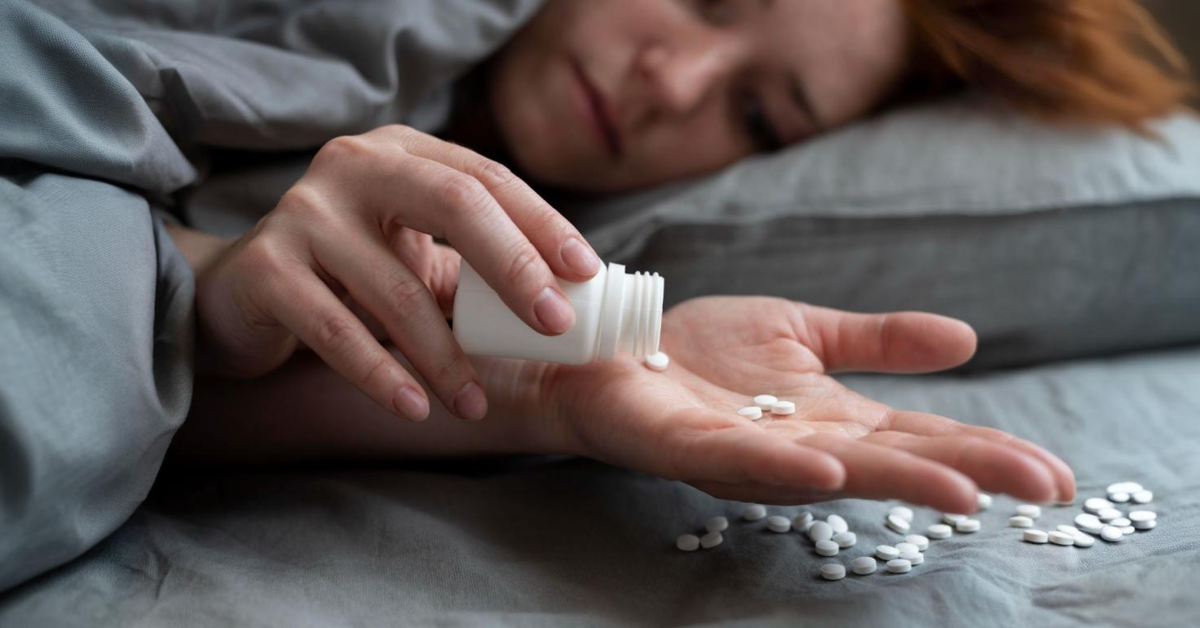
If you have ever found yourself tossing and turning at 3 a.m., desperately calculating how many hours of sleep you will get if you fall asleep right now, you are not alone. Millions of Britons struggle with sleep issues every single year. When searching for solutions, one name crops up repeatedly: melatonin.
However, if you have tried to pick up a bottle at your local high street chemist, you will have quickly discovered that the UK handles this sleep aid quite differently from countries like the United States. In this comprehensive guide, we will thoroughly explain how melatonin is regulated in the UK, who it’s typically prescribed for, how it’s used (including jet lag), safety notes, and OTC-style alternatives people consider. Looking for trusted sleep support and wellness products? Browse our complete collection:

The Science: How Melatonin Affects Circadian Rhythm
Before diving into the legalities, it is crucial to understand what this substance actually is. Melatonin is a hormone naturally produced by the pineal gland in your brain. Often dubbed the “sleep hormone”, it doesn’t directly knock you out. Instead, it signals to your body that it is time to wind down.
To understand how melatonin affects circadian rhythm, think of your body as a finely tuned internal clock. As daylight fades, your eyes send a signal to your brain to ramp up melatonin production, preparing you for rest. When the sun rises, melatonin levels drop, telling your body it is time to wake up. Modern living—especially late-night exposure to blue light from screens—can heavily disrupt this natural production, leaving many seeking artificial supplementation to get their body clock back on track.
The Legal Landscape: Is Melatonin Legal in the UK?
A common question among frustrated sleepers is, is melatonin legal in the UK? The short answer is yes, absolutely. However, the way you acquire it is strictly controlled.
Many people ask, can you buy melatonin over the counter uk? The answer is no. Unlike the US or Canada, where melatonin sits on supermarket shelves alongside vitamin C, the UK classifies melatonin as a Prescription Only Medicine (POM).
This stems directly from MHRA regulations on sleep medication. The Medicines and Healthcare products Regulatory Agency (MHRA) determined that because melatonin alters physiological functions by introducing hormones into the body, it must be classed as a medicine rather than a food supplement. This ensures that a healthcare professional monitors its use, proper dosages are followed, and the underlying causes of insomnia are medically investigated.
Prescriptions: Who Can Get Melatonin on NHS?
Because it is a POM, you must consult a doctor or a qualified prescriber to obtain it. So, who can get melatonin on NHS prescriptions?
The NHS generally restricts melatonin prescriptions to specific groups:
- Adults over 55: The most common prescription is for short-term insomnia in older adults. As we age, our natural melatonin production decreases. Doctors frequently prescribe Circadin modified release tablets (a specific brand of melatonin) for up to 13 weeks to help over-55s reset their sleep patterns.
- Children with specific conditions: While it is rarely prescribed for healthy children, specialist paediatricians frequently utilise melatonin for children with ADHD or autism spectrum disorders. These neurodevelopmental conditions often come with severe sleep disturbances, and melatonin can be an effective, non-sedative intervention to help establish a routine.
- Off-label use: In some exceptional cases, a GP or specialist may prescribe it “off-label” for severe circadian rhythm disorders, though this is strictly assessed on a case-by-case basis.

Guidelines for Use: Insomnia and Jet Lag
If you are prescribed this medication, understanding exactly how to take melatonin for sleep is essential for it to be effective.
Managing Insomnia
For general sleep issues, timing is everything. The best time to take melatonin for insomnia is generally 1 to 2 hours before your desired bedtime. Because it works by cueing your brain that it is time to sleep, taking it too early or right as your head hits the pillow will render it largely ineffective.
To maximise its benefits:
- Dim the lights: Avoid bright overhead lights and smartphone screens after taking your dose, as light inhibits the hormone’s effectiveness.
- Be consistent: Take it at the exact same time every night to train your circadian rhythm.
Tackling Time Zones: Jet Lag
Melatonin is heavily favoured by frequent flyers. While the NHS rarely prescribes it solely for holidays, you can legally obtain it through private UK travel clinics or registered online pharmacies following a consultation.
When travelling across multiple time zones, the typical melatonin dosage for jet lag is between 3mg to 5mg. The standard protocol involves taking the tablet at your new local bedtime (usually between 10:00 PM and 11:00 PM) on the day of arrival, and continuing for a maximum of five days. This gently forces your internal clock to sync with the local daylight hours, significantly reducing the groggy, disoriented feeling of jet lag.
Important Safety Notes
While naturally occurring in the body, synthetic melatonin is still a medical intervention. It is generally well-tolerated, but it isn’t entirely without risks.
One primary concern for patients is the side effects of melatonin long term. Because the MHRA licenses it primarily for short-term use (typically up to 13 weeks), there is a lack of robust clinical data regarding daily use spanning years. Potential long-term concerns include a psychological reliance on the pill to fall asleep, daytime drowsiness, mild headaches, and vivid dreams.
Furthermore, you must be aware of melatonin interactions with other medications. Melatonin can interact negatively with:
- Blood thinners (anticoagulants): It may increase the risk of bleeding.
- Immunosuppressants: Melatonin stimulates the immune system, which can interfere with medications designed to suppress it.
- Diabetes medications: It can affect blood sugar levels.
- Contraceptive pills: The pill can naturally increase your body’s melatonin levels, so adding a supplement might lead to excessive drowsiness.
Always disclose your full medical history to your GP or pharmacist before starting treatment.

Finding Relief: Natural Alternatives to Melatonin UK
Because getting a prescription isn’t guaranteed, many Britons seek out alternatives. The market for sleeping tablets UK wide is vast, but it’s important to differentiate between chemical sedatives and natural supplements.
If you visit a pharmacy seeking sleeping tablets non prescription UK wide, the pharmacist will likely point you towards two categories: traditional herbal remedies and anti-histamine-based sleep aids (like Nytol or Sominex, which cause drowsiness as a side effect).
However, if you want something that mimics the gentle, non-groggy approach of melatonin, there are several highly effective natural alternatives to melatonin UK residents can buy straight off the shelf.
1. Valerian Root
When discussing herbal sleep aids, the debate of melatonin vs valerian root often arises. While melatonin works by shifting the body’s internal clock, valerian root works on the nervous system. It naturally increases the levels of a chemical called GABA in the brain, which helps lower anxiety and promotes a state of calm. If your inability to sleep is driven by a racing, anxious mind rather than a disrupted body clock, valerian root is an excellent, readily available alternative.
2. Magnesium Supplements
Often referred to as “nature’s tranquilliser”, magnesium is crucial for over 300 biochemical reactions in the body. Using magnesium supplements for sleep has become incredibly popular. Magnesium helps activate the parasympathetic nervous system, which is responsible for getting you calm and relaxed. It also regulates the neurotransmitters that send signals throughout the brain and nervous system. For sleep, look for Magnesium Glycinate, which is highly bioavailable and gentle on the stomach.
3. 5-HTP (5-Hydroxytryptophan)
5-HTP is an amino acid that your body naturally produces, which it then uses to produce serotonin. Because serotonin is a direct precursor to melatonin, supplementing with 5-HTP can indirectly boost your natural melatonin production. It is widely available in UK health food stores.
4. Sleep Hygiene Mastery
No supplement can outwork poor sleep habits. Before seeking out medication, try resetting your routine:
- Keep your bedroom cool (around 18°C is optimal).
- Banish electronic devices at least an hour before bed.
- Limit caffeine intake strictly to the morning hours.
- Expose yourself to natural sunlight as soon as you wake up to naturally halt morning melatonin production.
Summary
Navigating the world of sleep aids in the UK requires a slightly different approach than in many other countries. Because melatonin is heavily regulated by the MHRA as a Prescription Only Medicine, it remains a closely monitored treatment rather than a casual nightly supplement.
Whether you are an older adult looking to reset your sleep patterns, a parent discussing options with a paediatrician, or a globetrotter looking to beat jet lag via a private travel clinic, understanding how and why this hormone is used is the first step to safer sleep. And if a prescription isn’t suitable for you, the UK high street still offers plenty of effective, non-prescription natural alternatives—from magnesium to valerian root—to help you finally achieve that elusive, restful night’s sleep.

2 Comments