- Your cart is empty
- Continue Shopping

Does the Morning After Pill Affect Your Period?
- Uncategorized
- Posted on
-
by [email protected]
- 5 comments

One of the most common concerns after taking the morning after pill is what will happen to your next period. It’s completely normal to wonder whether your cycle will stay the same or if the medication will cause changes.
Many people expect their period to arrive exactly when scheduled, but emergency contraception can sometimes affect timing and flow. While these changes can feel worrying, they are often temporary and not necessarily a sign that something is wrong.
Understanding what to expect can help reduce unnecessary stress while you wait for your next cycle.
Why Can the Morning After Pill Affect Your Period?
The morning after pill works by influencing hormones involved in ovulation and the menstrual cycle.
Because it temporarily affects these hormones, your next period may not arrive exactly as expected. Some people notice changes while others experience little or no difference at all.
The way your body responds depends on factors such as:
- Where you are in your cycle
- The type of emergency contraception used
- Individual hormone patterns
- Stress and lifestyle factors
For this reason, two people can have very different experiences after taking the same medication.
Can Your Period Come Early?
Yes.
Some people find that their period arrives a few days earlier than expected after taking the morning after pill.
This can happen because emergency contraception may alter the timing of ovulation and hormone levels within the cycle.
An earlier period is usually not a cause for concern if the bleeding resembles your normal menstrual flow.
Can Your Period Be Late?
A delayed period is also common.
In some cases, the period may arrive several days later than expected.
Many people immediately worry that a late period means the morning after pill has failed, but this is not always the case.
Hormonal changes caused by emergency contraception can delay menstruation even when pregnancy has not occurred.
What If My Period Is Much Later Than Expected?
If your period is more than a week late, it may be a good idea to take a pregnancy test.
A pregnancy test can provide reassurance and help clarify whether the delay is related to hormonal changes or another cause.
Many healthcare professionals recommend testing:
- On the first day of a missed period
- Or approximately three weeks after unprotected sex
Can the Flow Be Different?
Yes.
Some people notice that their next period is:
- Lighter than usual
- Heavier than usual
- Shorter in duration
- Longer in duration
These changes are often temporary and may not continue in future cycles.
Is Spotting Normal?
Spotting can occur after taking the morning after pill.
Spotting refers to light bleeding that occurs outside your normal period and is usually lighter than menstrual bleeding.
For many people, spotting resolves without any treatment and does not indicate a problem.
How Long Do Cycle Changes Last?
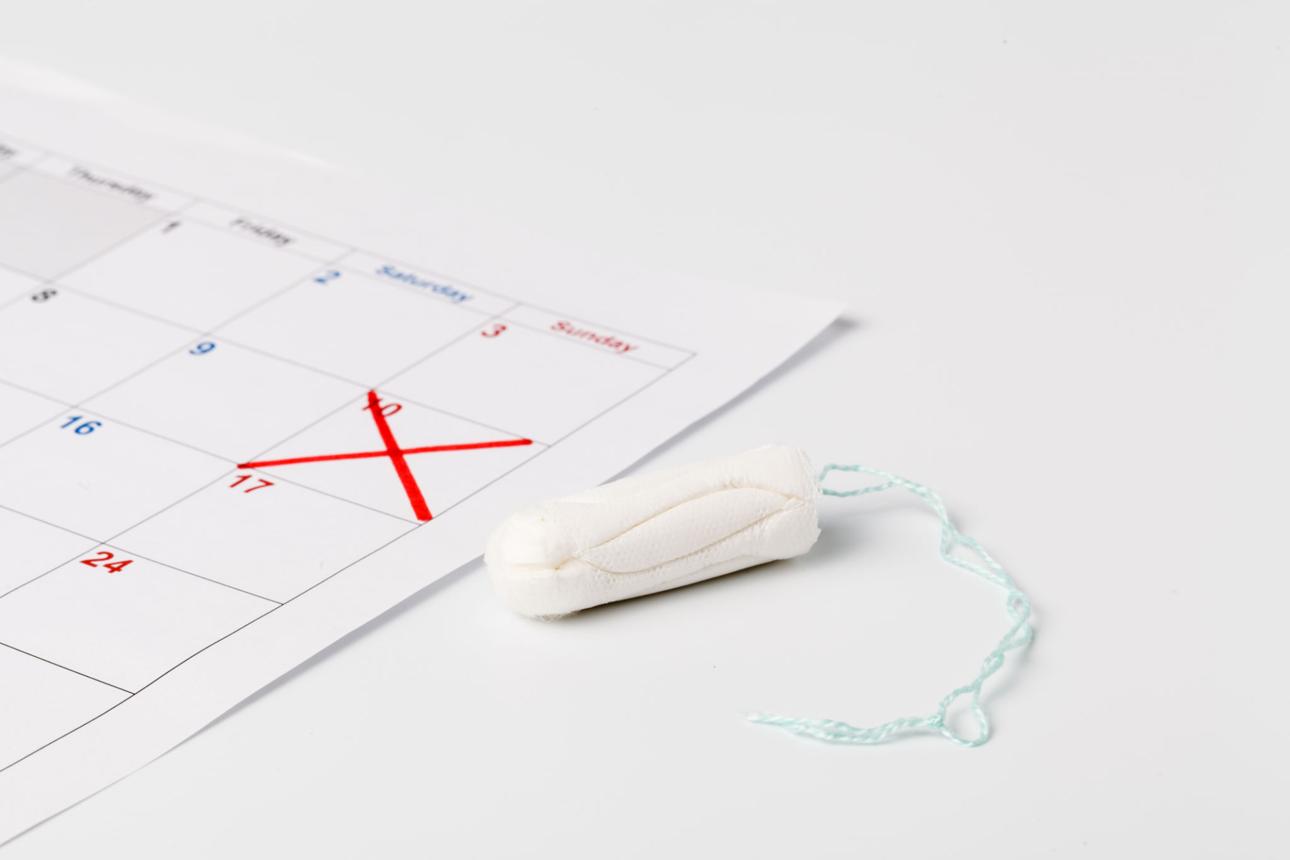
For most individuals, menstrual changes are temporary.
Many people find that their next cycle returns to its usual pattern after one period.
However, everyone’s body responds differently, and some variation is normal.
When Should You Seek Medical Advice?
Consider speaking with a healthcare professional if:
- Your period is significantly delayed
- You experience severe symptoms
- You have concerns about pregnancy
- Bleeding is unusually heavy
- Symptoms persist beyond your next cycle
Professional guidance can provide reassurance and help determine whether further evaluation is needed.
Common Questions
Does the morning after pill always affect your period?
No. Some people notice changes while others experience no difference at all.
Can the morning after pill make your period heavier?
Yes. Some individuals report heavier bleeding during their next cycle.
Can it make your period lighter?
Yes. A lighter-than-usual period can also occur.
Is spotting a sign the pill worked?
Not necessarily. Spotting can occur after taking emergency contraception but does not confirm effectiveness.
When should I take a pregnancy test?
If your period is late or you are concerned about pregnancy, testing on the first day of a missed period or three weeks after unprotected sex is often recommended.
What Most People Don’t Realize
One of the hardest parts after taking the morning after pill is the waiting. Every cramp, every change in discharge, and every day your period doesn’t arrive can make you wonder whether everything is okay.
The reality is that temporary changes to your cycle are common after emergency contraception. While it can be unsettling, a slightly earlier, later, heavier, or lighter period often falls within the range of normal experiences.
If you’re concerned, a pregnancy test taken at the right time can provide far more useful information than trying to interpret every symptom along the way.
Related Articles
- When to Take a Pregnancy Test After the Morning After Pill
- Can Men Buy the Morning After Pill?
- Side Effects of the Morning After Pill
- Is the Morning After Pill Free?
NHS Emergency Contraception Information

5 Comments