- Your cart is empty
- Continue Shopping

Can You Drink on Sertraline? What to Know
- Uncategorized
- Posted on
-
by [email protected]
- 0 comments
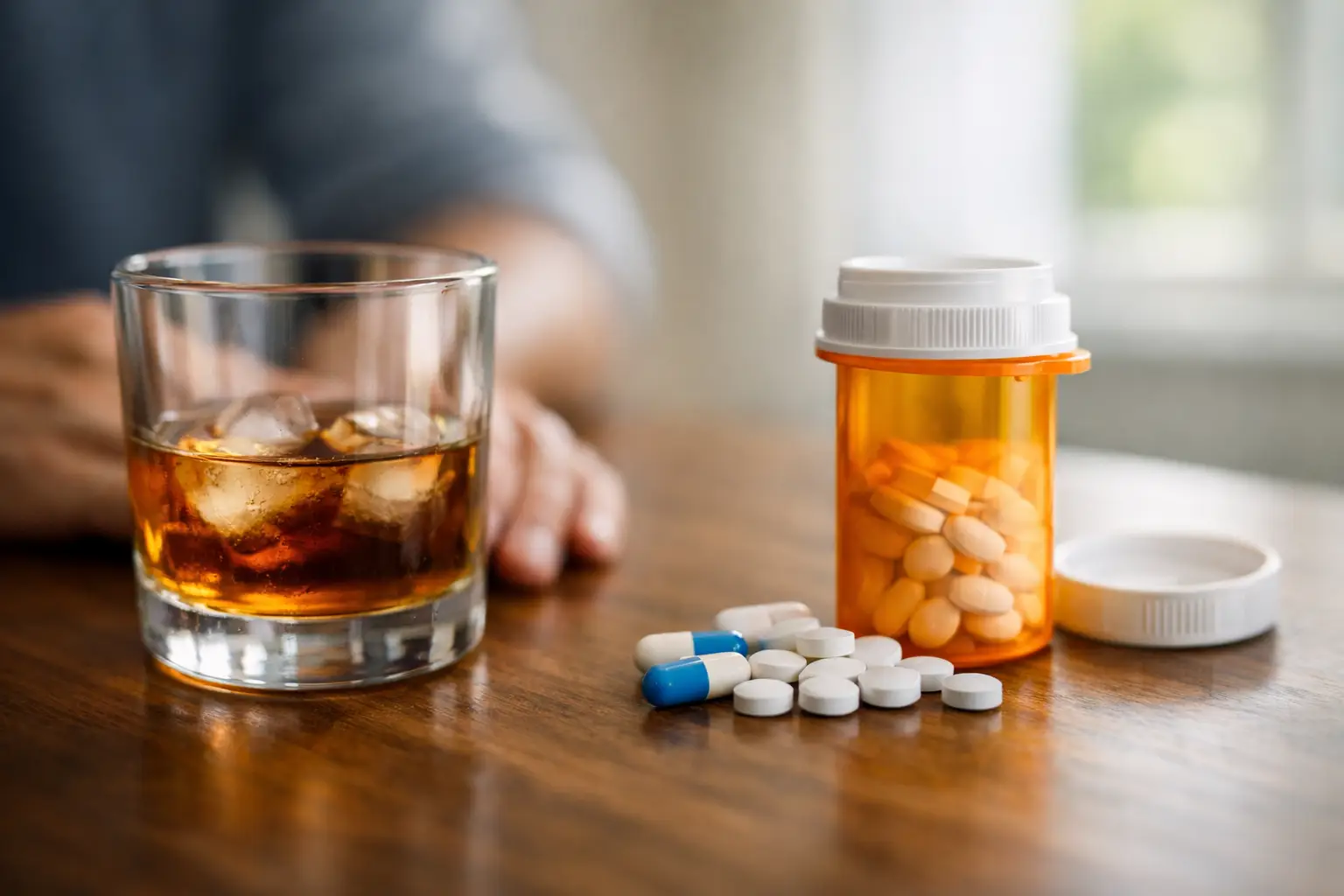
If you have just started this antidepressant, one of the first questions is usually simple: can you drink on sertraline? The short answer is that it is generally best to avoid alcohol while taking sertraline, because the combination can make side effects worse and may leave you feeling more anxious, low, tired or unwell than expected.
That answer can feel frustrating, especially if you are thinking about a weekend drink, a meal out or a special occasion. But this is one of those cases where a small choice can have a bigger effect than people realise. Sertraline changes how your brain handles serotonin. Alcohol affects mood, sleep, coordination and judgement. Put the two together, and the results can be unpredictable.
Can you drink on sertraline or should you avoid it?
For most people, the safest option is to avoid drinking alcohol while taking sertraline. Some people do drink small amounts and feel fine. Others notice that even one or two drinks hit harder than usual, make them dizzy, worsen nausea, or trigger a dip in mood the next day.
That difference is exactly why there is no one-size-fits-all answer. Your dose, your body weight, your general health, how long you have been on sertraline, and how sensitive you are to alcohol all matter. If you have only recently started treatment, changed dose, or are still adjusting, drinking is more likely to cause problems.
It is also worth remembering why people take sertraline in the first place. It is commonly used for depression, anxiety, panic disorder, OCD and PTSD. Alcohol can interfere with recovery in all of these conditions. Even if it feels relaxing in the moment, it often makes anxiety and low mood worse after the effect wears off.
Why alcohol and sertraline can be a poor mix
Sertraline belongs to a group of medicines called SSRIs. These medicines work gradually and are designed to help steady mood over time. Alcohol does the opposite in many cases. It can give a brief sense of calm, then disrupt sleep, affect concentration and leave you feeling flat or agitated afterwards.
The main issue is not usually a dramatic chemical reaction. It is that both substances can affect the brain and nervous system in ways that overlap. That can increase drowsiness, slow reaction times and make everyday tasks less safe. Driving, cycling, using tools or even crossing the road can become riskier if you are more impaired than you expected.
There is also the mental health side. If you are taking sertraline for anxiety or depression, alcohol may blunt the benefits of treatment. Some people find they feel lower the next day. Others get more restless, more emotional or more prone to panic symptoms. So while one drink may seem harmless, the after-effects can be the real problem.
Side effects that may feel worse if you drink
Sertraline already has a list of common side effects, especially in the first few weeks. These can include nausea, dizziness, dry mouth, tiredness, headache, trouble sleeping and stomach upset. Alcohol can make several of these worse.
Dizziness is a good example. A small amount of alcohol can already affect balance. If sertraline is also making you feel slightly light-headed, the combined effect may be stronger than expected. The same goes for tiredness and poor concentration.
Sleep is another big one. Some people drink because they think it helps them unwind. In reality, alcohol often disrupts sleep quality, and sertraline can already affect sleep when you are starting out. The result can be a rough night followed by fatigue, brain fog and a low mood the next day.
Stomach symptoms matter too. If sertraline gives you nausea or diarrhoea, alcohol may irritate the stomach further. That can turn a manageable side effect into a miserable evening.
When drinking on sertraline is especially risky
There are times when mixing alcohol with sertraline is more likely to cause trouble. If you have just started the medicine or recently increased your dose, your body may still be adapting. This is often when side effects are strongest.
It is also more risky if you take other medicines that cause drowsiness, such as sleeping tablets, anti-anxiety medicines, strong pain relief or certain antihistamines. Combining several sedating substances can make you unusually sleepy or unsteady.
If you have a history of heavy drinking, blackouts, liver problems, bipolar disorder, self-harm or suicidal thoughts, alcohol may create extra risk. In these situations, even occasional drinking can have a stronger impact on mood, judgement and safety.
People who use sertraline for panic attacks sometimes notice that alcohol makes symptoms rebound the next day. That can create an unhelpful cycle – drinking to relax, then feeling worse, then struggling more with anxiety afterwards.
What if you have already had a drink?
If you have already mixed alcohol and sertraline, do not panic. In many cases, people simply feel more tired, dizzy or off-colour than usual. The sensible move is to stop drinking, drink water, rest somewhere safe and avoid driving or anything that needs full concentration.
Pay attention to how you feel over the next several hours. If you become very drowsy, confused, faint, agitated, vomit repeatedly or feel unsafe, get medical help. If your mood drops sharply or you have any thoughts of harming yourself, seek urgent support straight away.
What you should not do is skip your next dose to try to balance things out. Take sertraline exactly as directed unless a prescriber has told you otherwise. Missing doses can make side effects and mood changes harder to manage.
Is a small amount ever acceptable?
This is the part many people really want answered. Some adults taking sertraline do choose to have a small amount of alcohol and do not notice a major problem. That does happen. But it is not a guarantee, and your experience may be different from someone else’s.
If a prescriber has not specifically told you that alcohol is unsafe in your case, the cautious approach is to wait until you know how sertraline affects you on its own. Once you are stable, some people decide to test their tolerance very carefully with a minimal amount. That still comes with risk, especially if you are prone to anxiety, poor sleep or medication side effects.
The key point is that “probably fine” is not the same as “recommended”. The routine advice remains to avoid alcohol or keep it to a minimum, because even low amounts can affect mood and side effects.
Practical tips if you are taking sertraline
If you are trying to stay on track with treatment, keeping things simple usually works best. Take sertraline as prescribed and give your body time to adjust. If you are considering drinking, think about the timing, your dose and how you have been feeling lately.
A few practical habits can help. Avoid alcohol completely during the first few weeks if you can. Do not mix drinking with other sedating medicines. Eat properly, stay hydrated and never assume your usual alcohol tolerance will be the same on sertraline.
It also helps to notice patterns. If you drank once and felt more anxious, slept badly or had a low mood the next day, that is useful information. It may be your sign that alcohol is getting in the way of how well the medicine works for you.
Questions people often ask about sertraline and alcohol
One common question is whether alcohol stops sertraline from working. Not in a simple on-off sense, but it can absolutely make treatment less effective by worsening mood, disturbing sleep and increasing anxiety.
Another is whether one glass of wine is dangerous. For many people, it may not cause a serious problem, but there is no way to promise that in advance. Sensitivity varies, and the safest advice is still to avoid it or be extremely cautious.
People also ask whether they can drink if they take sertraline in the morning and alcohol at night. Timing does not remove the issue completely. Sertraline stays in your system, so spacing the two apart does not guarantee that you will avoid side effects.
The bottom line for shoppers and patients
When people ask, can you drink on sertraline, they are often hoping for a clear yes. Realistically, the safer answer is no, or at least not without caution. Alcohol can increase side effects, affect sleep, lower mood and make it harder to judge how well your treatment is working.
If you are taking sertraline and want the smoothest results, avoiding alcohol is usually the better call. If you need access to everyday treatment with privacy, convenience and straightforward ordering, Rx-pills.net offers a simple way to shop online. The main thing is to put safety first, listen to how your body responds, and treat even a casual drink as something that deserves proper caution.
