- Your cart is empty
- Continue Shopping

Best OTC Sleeping Tablets in the UK (Non-Prescription Options)
- Sleep and wellness
- Posted on
-
by [email protected]
- 3 comments
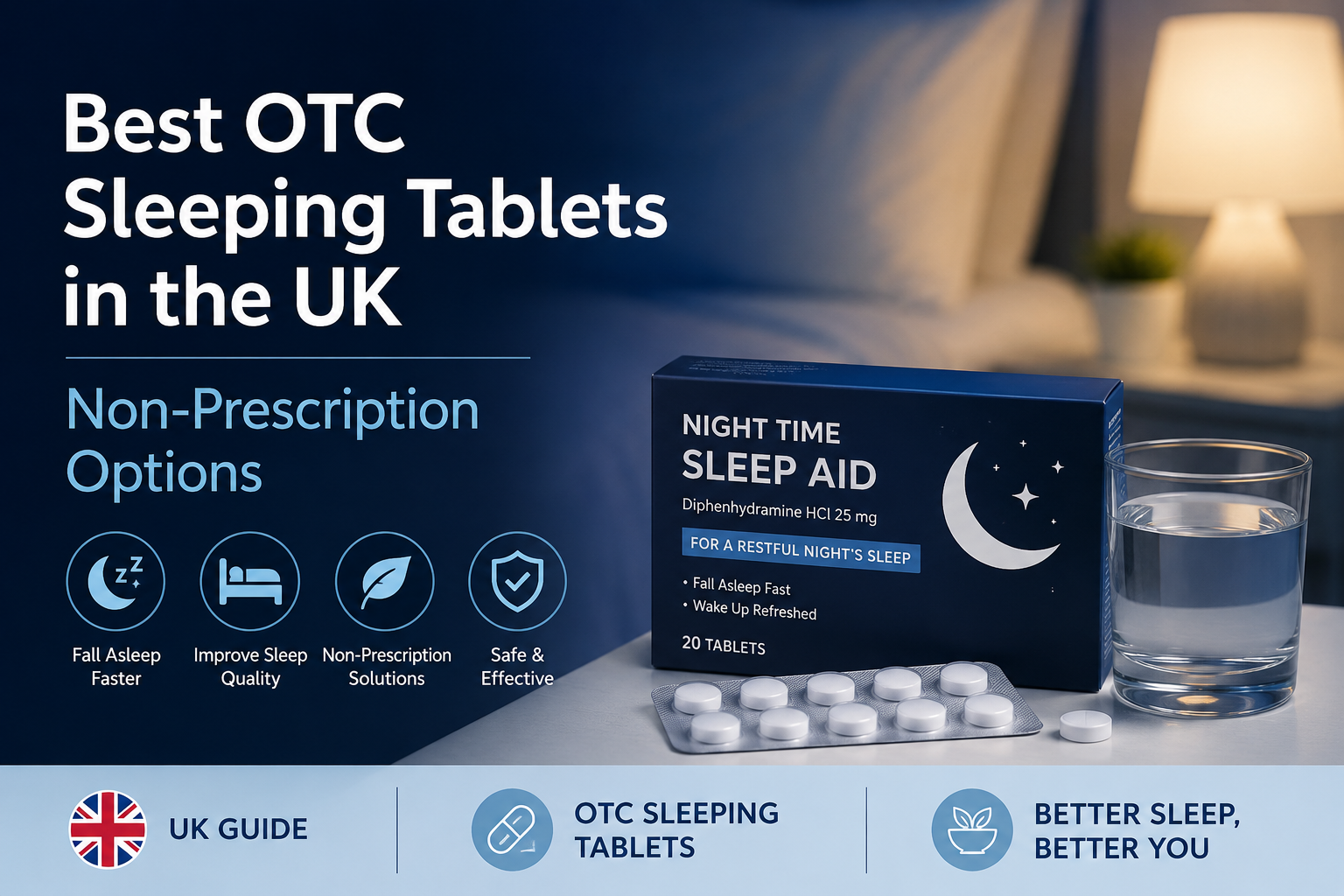
Finding the right solution for sleep troubles can be challenging. Many people in the UK turn to over-the-counter (OTC) sleeping tablets. These non-prescription options offer a convenient way to manage occasional sleeplessness.
OTC sleeping tablets are available without a prescription. They are designed for short-term use, making them accessible for those experiencing temporary sleep disturbances.
Understanding how these tablets work is crucial. They often contain ingredients like diphenhydramine, doxylamine, or melatonin. Each of these components plays a role in promoting sleep.
It’s important to know who should use these tablets. They are generally safe for adults but are not recommended for children. Pregnant or breastfeeding women should consult a doctor first.
Safety is a top priority when using OTC sleeping tablets. Following dosage instructions and being aware of potential side effects is essential.
Avoid mixing them with alcohol or other sedatives.
Lifestyle changes can also enhance sleep quality. Establishing a bedtime routine and avoiding caffeine can improve sleep. Over-the-counter sleeping tablets should be part of a broader sleep strategy.
This guide will explore the best over-the-counter sleeping tablets in the UK. We’ll cover what’s available, how they work, and safety tips.
What Are Over-the-Counter Sleeping Tablets?
Over-the-counter sleeping tablets, or sleep aids, are medications available without a doctor’s prescription. They provide a temporary solution for those struggling to fall asleep.
These tablets are designed to be used on a short-term basis. They help to manage occasional sleeplessness rather than chronic insomnia, offering a quick, convenient option.
Common active ingredients include:
- Diphenhydramine: An antihistamine causing drowsiness.
- Doxylamine: Another antihistamine with sedative effects.
- Melatonin: A hormone that regulates the sleep-wake cycle.
In the UK, these tablets are easily accessible in chemists and online. Still, they are not a cure for underlying sleep disorders. It is important to use them responsibly and follow dosage guidelines.

by Volodymyr Hryshchenko (https://unsplash.com/@lunarts)
Who Should Consider OTC Sleeping Tablets?
OTC sleeping tablets can be a helpful option for those experiencing occasional sleep disruptions. These disruptions might include difficulty falling asleep or waking up frequently during the night.
Those dealing with temporary stress or changes in routine may find these tablets beneficial. However, they are suitable only for adults, not for children or teenagers.
Consider OTC sleep aids if natural remedies or changes in sleep habits haven’t worked. They can provide a temporary solution to help reset a disrupted sleep cycle.
It’s important to ensure the problem is short-term and not indicative of a deeper health issue. Those with persistent sleep problems should seek professional advice before relying on sleep aids.
How Do OTC Sleeping Tablets Work?
OTC sleeping tablets work by promoting drowsiness to help initiate sleep. They usually contain active ingredients that affect the brain’s chemical balance. These ingredients, such as diphenhydramine and doxylamine, are antihistamines that induce a sedative effect.
Melatonin supplements, another type, mimic the body’s natural sleep hormone. They help regulate the sleep-wake cycle, making them beneficial for those with irregular sleep patterns.
Herbal options like valerian root and chamomile work by calming the nervous system. These herbs are popular for their soothing properties, providing a more gentle approach to sleep aid.
Typical effects of OTC sleeping tablets:
- Induce drowsiness
- Alter sleep-wake cycle
- Calm the nervous system
Each type of sleep aid works differently, and understanding these mechanisms is key to choosing the right product.
Types of OTC Sleeping Tablets Available in the UK
In the UK, several types of OTC sleeping tablets are accessible. These options offer flexibility for those looking to improve their sleep.
Antihistamine-based sleep aids are quite common. They help induce drowsiness and are a popular choice for short-term relief.
Additionally, you can find melatonin supplements and herbal sleep aids. These alternatives cater to different needs and preferences for tackling occasional sleeplessness.
Antihistamine-Based Sleep Aids (Diphenhydramine, Doxylamine)
Antihistamine-based sleep aids include active ingredients such as diphenhydramine and doxylamine.
They belong to a class known for their sleep-inducing properties. While primarily antihistamines, these substances have sedative effects which make them effective in promoting sleep.
Diphenhydramine is commonly found in many OTC sleep aids. It works by blocking histamine receptors, which often results in drowsiness. Doxylamine is another antihistamine used in sleep aids, praised for its strong sedative effects.
These aids are suitable for short-term use but are not recommended for chronic insomnia. Their effectiveness may differ from person to person, and it’s vital to follow packet instructions.
- Effective for short-term sleep disturbances
- Should not be relied upon for chronic sleep issues
- May cause next-day drowsiness
In the UK, these antihistamines can be found in various night-time formulas. It’s essential to check the ingredients to choose one that suits your needs.

by Tamanna Rumee (https://unsplash.com/@tamanna_rumee)
Melatonin Supplements
Melatonin supplements mimic the hormone that regulates your sleep-wake cycle. They are particularly useful for those dealing with jet lag or irregular sleep schedules.
Melatonin levels naturally rise in the evening to prepare your body for sleep. Supplements help initiate this process, especially if your rhythm is disrupted.
These supplements are often considered more natural. They’re suited for those preferring hormone-based aids over synthetic options.
- Help adjust sleep cycles
- Suitable for jet lag or shift work
- Not immediate but helpful over time
In the UK, melatonin is available under various brand names. It’s crucial to follow dosing instructions and understand that effects might not be immediate.
Herbal and Natural Sleep Aids (Valerian, Chamomile, etc.)
Herbal sleep aids use natural ingredients like valerian root and chamomile. Translation (British English):
They aim to promote relaxation and induce sleep naturally, offering a gentle alternative.
Valerian root is known for its calming effects and is a popular choice for treating mild sleep disorders. Chamomile, often consumed as tea, also has soothing properties.
These herbal options are preferable for those who want a non-synthetic approach. They work by calming the nervous system without the risk of chemical dependency.
- Made from natural ingredients
- Calm the nervous system
- Ideal for mild sleep issues
In the UK, herbal sleep aids are available in various forms, from teas to tablets. Always check product quality and consult packaging for the correct dosage.
Popular Brands and Products in the UK
When choosing over-the-counter sleeping tablets, brand reputation plays a key role. In the UK, several brands are recognised for their effective sleep aids.
Nytol is a well-known option among users.
It offers a range of products, including traditional tablets and herbal supplements.
Another popular brand is Sominex. It provides powerful antihistamine-based sleep aids that target short-term sleep issues effectively.
Kalms Night is favoured for its natural approach. This brand utilises valerian root, catering to those preferring herbal solutions.
- Nytol: Variety of products, including herbal options
- Sominex: Strong, antihistamine-based formula
- Kalms Night: Herbal alternatives featuring valerian root
These products are available at local chemists and online, often praised in user reviews. Always ensure to verify the source when purchasing online.
Effectiveness of OTC Sleeping Tablets
The effectiveness of OTC sleeping tablets varies widely among individuals. Some people find these aids helpful for managing occasional sleeplessness. However, they are not a cure for chronic insomnia.
User reviews and studies indicate mixed results. While some experience quick onset of sleep, others report minimal impact on their rest quality.
Key factors influencing effectiveness include the specific active ingredient and an individual’s health condition. It’s vital to match the right product to personal needs.
- Variable effectiveness between individuals
- Best for occasional sleeplessness, not chronic insomnia
- Depends on active ingredient and personal health factors
Safety Tips and Precautions
Safety is paramount when using OTC sleeping tablets in the UK. Understanding potential risks and adhering to guidelines can prevent adverse effects.
Always follow the dosage instructions on the packaging. Exceeding recommended doses can increase side effects and health risks.
It’s crucial to check for interactions if you are taking other medications. OTC sleeping tablets can interact with several medicines, impacting their effectiveness.
Avoid consuming alcohol while on sleep aids. The combination can amplify drowsiness and affect motor skills.
Pregnant or breastfeeding individuals should seek professional advice before using these tablets. The effects on infants and foetuses can be harmful.

by Helena Lopes (https://unsplash.com/@helenalopesph)
Here’s a checklist for safe usage:
- Read the packet instructions thoroughly
- Monitor for unexpected side effects
- Avoid mixing with other sedatives
Remember these precautions:
- Store tablets in a safe, dry place
- Consult healthcare providers if unsure
- Ensure tablets are not expired
Who Should Avoid OTC Sleeping Tablets?
Not everyone is suited for OTC sleeping tablets. Understanding who should steer clear is crucial for health and safety.
Individuals with chronic sleep disorders may not benefit from these short-term solutions. Professional treatment might be more suitable for these persistent issues.
Furthermore, those with certain medical conditions should consult a doctor. Such conditions include respiratory problems, liver issues, or glaucoma.
Consider avoiding over-the-counter sleeping tablets if you:
- Have a history of drug misuse
- Are driving or operating heavy machinery
- Experience ongoing sleep problems without improvement
These precautions ensure safety and encourage healthier choices.
Side Effects and Risks
Using over-the-counter sleeping tablets comes with potential side effects and risks. It’s important to be aware of them before starting.
Common side effects include drowsiness, dizziness, and dry mouth. These can affect daily activities and overall well-being.
Some people might experience other less frequent reactions. Before using these aids, consider the following risks:
- Developing a dependency with prolonged use
- Experiencing a “hangover” effect the next day
- Potential interactions with other medicines
Always follow the recommended dosage instructions. Monitoring how your body reacts can help in minimising these risks.
How to Use Over-the-Counter Sleeping Tablets Safely
Safety is paramount when using over-the-counter sleeping tablets. Start with the lowest effective dose to gauge your response. This can help avoid unnecessary side effects.
Carefully read the packaging and follow the instructions. This ensures the tablets work as intended and reduces potential risks. Consistency is key in adherence to directions.
Consider these safe usage tips:
- Avoid alcohol and other sedatives while using sleep aids
- Steer clear of driving or operating heavy machinery after consumption
- Store tablets in a cool, dry place away from children
These practices promote safety and enhance the effectiveness of OTC sleeping tablets. Always prioritise your health and well-being.
Alternatives to OTC Sleeping Tablets
Sometimes, non-drug strategies can effectively improve sleep. Adopting lifestyle changes may enhance sleep quality without the need for medication. These approaches often complement OTC options.
Consider these alternatives:
- Establish a regular sleep schedule
- Create a calming pre-sleep routine
- Limit caffeine and electronics before bedtime
- Practise relaxation techniques like meditation or deep breathing
- Ensure your sleep environment is comfortable and quiet
These strategies address sleep issues holistically and can be beneficial for long-term sleep health. Exploring these methods may reduce reliance on sleeping tablets.
When to Seek Medical Advice
If sleep disturbances persist despite using over-the-counter tablets, it may be time to seek professional guidance. Chronic sleep issues can indicate underlying health conditions that require medical evaluation.
Consider consulting a healthcare provider in the following cases:
- Sleep problems last longer than a couple of weeks
- Experiencing severe or unusual side effects
- Existing health conditions may interact with sleeping tablets
A doctor can provide a thorough assessment and recommend appropriate treatments tailored to your specific needs.
Frequently Asked Questions
People often have questions about the use of OTC sleeping tablets. Understanding the answers can help make informed choices. This section addresses some common concerns.
Can you take OTC sleeping tablets every night? These sleep aids are meant for short-term use. Prolonged use may lead to dependence or tolerance.
Are OTC tablets effective for everyone? The effectiveness can vary based on individual health and sleep problems. It may be beneficial for occasional sleep disturbances.
Below is a quick reference list of FAQs:
- Are OTC tablets addictive?
- Can they interact with other medications?
- Should pregnant women use them?
Knowing when and how to use these aids is crucial for safe and effective relief.
Conclusion: Making the Right Choice for Better Sleep
Selecting the best OTC sleeping tablets in the UK involves understanding your personal sleep needs and circumstances. These tablets can provide relief for occasional sleeplessness but are not a solution for chronic issues.
It’s essential to weigh the benefits against potential risks. Always consider lifestyle changes alongside OTC options for better sleep health and management.
Consulting healthcare professionals for personalised advice ensures you make an informed decision. By doing so, you will approach sleep health holistically, focusing on safety and effectiveness.
Browse our full range of health and wellness products:
https://rx-pills.net/shop/

3 Comments