- Your cart is empty
- Continue Shopping

Has the Morning After Pill Worked? Signs, Symptoms & What to Expect
- Uncategorized
- Posted on
-
by [email protected]
- 4 comments

Taking the morning after pill can bring a sense of relief, but for many people, that relief is quickly replaced by another question: “How do I know if it worked?”
It’s completely normal to wonder whether emergency contraception was effective, especially when you’re waiting for your next period or paying close attention to every change in your body.
The challenge is that there is no immediate sign that confirms the morning after pill has worked. In fact, many of the symptoms people look for can be misleading or unrelated to whether pregnancy has been prevented.
Understanding what to expect can help reduce anxiety and make the waiting period a little easier to manage.
How Does the Morning After Pill Work?
Emergency contraception is designed to reduce the chance of pregnancy after unprotected sex or contraceptive failure.
Depending on the product used, it primarily works by delaying or preventing ovulation. If an egg is not released, fertilization becomes much less likely.
The sooner emergency contraception is taken, the more effective it tends to be.
Is There a Sign That It Has Worked?
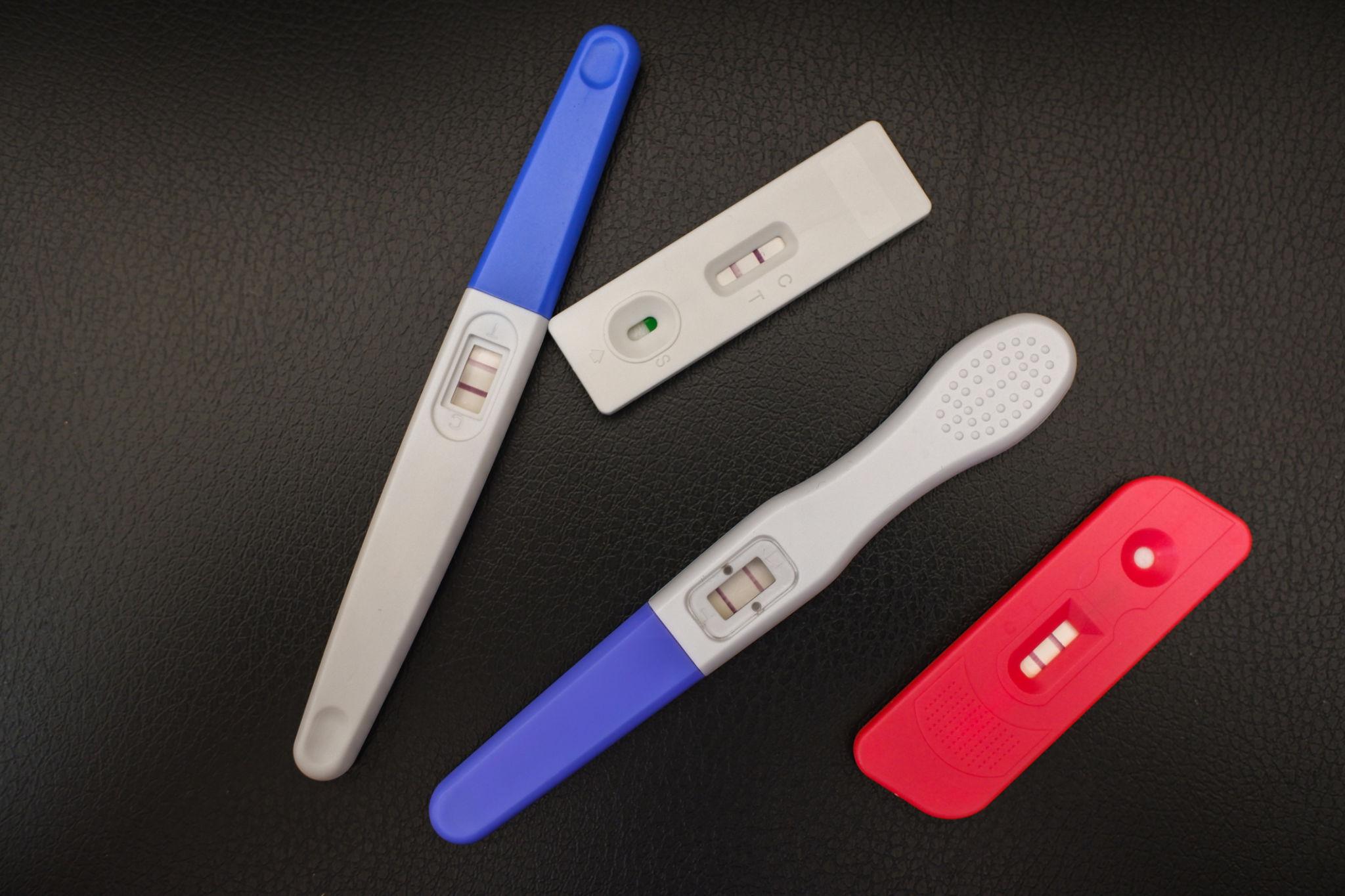
Not really.
One of the biggest misconceptions about the morning after pill is that there is a specific symptom that proves it worked.
Unfortunately, there is no reliable physical sign that can immediately confirm success.
Some people experience side effects, while others experience none at all. Neither situation confirms whether pregnancy has been prevented.
Common Changes After Taking the Morning After Pill
Many people notice temporary changes after taking emergency contraception, including:
- Mild nausea
- Spotting
- Fatigue
- Breast tenderness
- Headaches
- Changes in their next period
These effects are often related to the hormones in the medication rather than proof that the pill worked.
What About Spotting?
Spotting is one of the most common reasons people think the morning after pill has worked.
While spotting can occur after taking emergency contraception, it is not considered confirmation of effectiveness.
Some people experience spotting and are not pregnant. Others experience no spotting and are also not pregnant.
Every person’s experience is different.
Does a Normal Period Mean It Worked?
A normal period is generally reassuring.
For many people, getting their period around the expected time suggests that pregnancy is unlikely.
However, periods can sometimes be lighter, heavier, earlier, or later than usual after taking emergency contraception.
This is why paying attention to timing and taking a pregnancy test when necessary is important.
When Should You Take a Pregnancy Test?
A pregnancy test is the most reliable way to know whether emergency contraception was successful.
Most healthcare professionals recommend testing:
- On the first day of a missed period
- Or approximately three weeks after unprotected sex
Testing too early may produce a false negative result because pregnancy hormones may not yet be detectable.
What If My Period Is Late?
A late period does not automatically mean the morning after pill failed.
Emergency contraception can temporarily affect your cycle and cause:
- Delayed periods
- Early periods
- Changes in bleeding patterns
However, if your period is significantly late, taking a pregnancy test is recommended.
Reasons the Morning After Pill May Be Less Effective
Although emergency contraception can be highly effective, several factors may influence its effectiveness.
These include:
- Waiting too long before taking it
- Vomiting shortly after taking it
- Certain medications
- Individual factors such as body weight
- Timing within the menstrual cycle
This is one reason why no method can guarantee prevention of pregnancy 100% of the time.
What If You’re Still Worried?

Many people spend days or even weeks looking for reassurance online after taking the morning after pill.
While it’s understandable to feel anxious, repeatedly searching for symptoms often creates more stress than answers.
If you’re concerned:
- Monitor your cycle
- Take a pregnancy test at the appropriate time
- Contact a healthcare professional if needed
Reliable information is often more helpful than trying to interpret every symptom.
Frequently Asked Questions
Can I tell immediately if the morning after pill worked?
No. There is no immediate symptom that confirms effectiveness.
Does spotting mean it worked?
Not necessarily. Spotting can occur after emergency contraception but does not confirm success.
What is the most reliable way to know?
A pregnancy test taken at the appropriate time remains the most reliable method.
Can my period still be late even if it worked?
Yes. Temporary menstrual changes are common after taking emergency contraception.
Should I take another morning after pill if I’m worried?
Only follow the instructions provided with the medication or seek advice from a healthcare professional.
The Waiting Is Often the Hardest Part
Most people want an immediate answer after taking the morning after pill, but unfortunately, the body doesn’t work that way. Waiting for your next period or the right time to take a pregnancy test can feel frustrating, especially if you’re already feeling anxious.
The important thing to remember is that temporary symptoms, spotting, or changes in your cycle do not provide a definite answer. A properly timed pregnancy test will usually provide far more clarity than trying to interpret every sign your body gives you.
Until then, try not to assume the worst. Give yourself time, follow the recommended guidance, and remember that uncertainty during this waiting period is something many people experience.
Related Articles
- When to Take a Pregnancy Test After the Morning After Pill
- Does the Morning After Pill Affect Your Period?
- Can Men Buy the Morning After Pill?
- Free Morning After Pill: What You Should Know About Emergency Contraception
Planned Parenthood
Learn more about emergency contraception from Planned Parenthood.

4 Comments