- Your cart is empty
- Continue Shopping

How to Compare Pain Relievers Fast
- Sleep and wellness
- Posted on
-
by [email protected]
- 0 comments
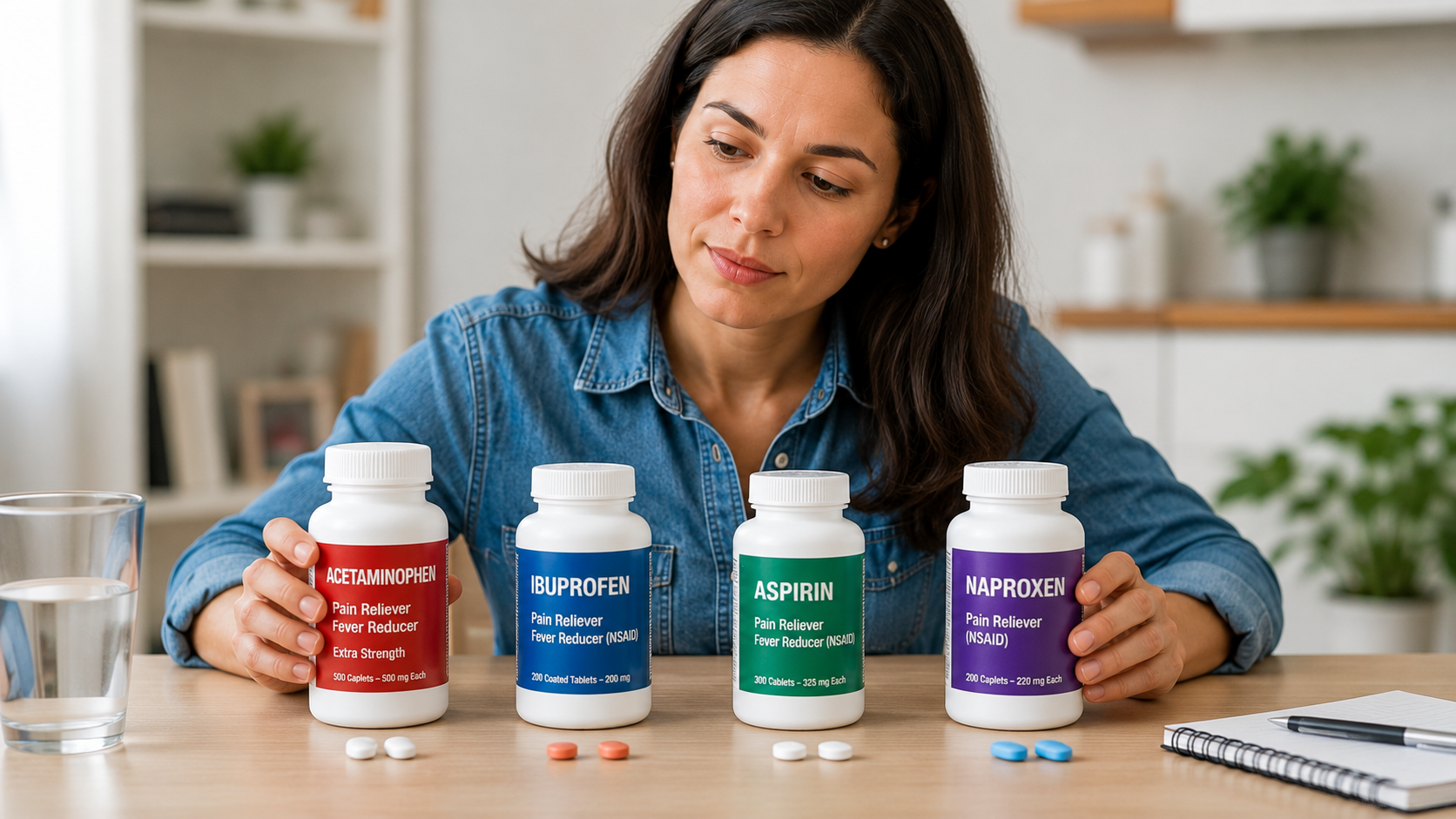
Standing in front of a pain relief category online can feel like too many options at once. If you are trying to figure out how to compare pain relievers, the fastest way is to look at four things first: the active ingredient, what kind of pain you have, how long you need relief, and the side effect risks that matter to you.
That sounds simple, but it saves time and helps you avoid buying the wrong product. Some pain relievers work better for inflammation. Others are more useful for fever, headaches, or general aches. Price matters too, but only after you know the product actually fits your needs.
How to compare pain relievers by active ingredient
The first thing to compare is not the brand name. It is the active ingredient. That tells you what the product is actually doing.
For everyday over-the-counter pain relief, most shoppers are comparing acetaminophen, ibuprofen, aspirin, or naproxen. Many products look different on the shelf or in an online listing, but two items with the same active ingredient may work very similarly even if the packaging and price are different.
Acetaminophen is commonly chosen for headaches, fever, and general body pain. It is often preferred by people who want pain relief without the stomach irritation linked to some other options. The trade-off is that it does not reduce inflammation the way NSAIDs do.
Ibuprofen and naproxen are both NSAIDs, which means nonsteroidal anti-inflammatory drugs. These are often better choices for pain that comes with swelling or inflammation, such as muscle soreness, back pain, joint pain, dental pain, or menstrual cramps. Aspirin is also an NSAID, but shoppers often treat it as a separate category because it has its own safety considerations.
This is where comparison gets easier. If your pain is tied to inflammation, an NSAID may make more sense than acetaminophen. If your main goal is fever reduction or mild pain relief and you want to avoid more stomach sensitivity, acetaminophen may be the more practical starting point.
Match the product to the type of pain
A lot of shoppers compare pain relievers by strength alone, but that can lead to poor choices. The better question is what kind of pain you are trying to treat.
For headaches, acetaminophen or ibuprofen are both common picks. For muscle strains, sports soreness, arthritis flare-ups, and menstrual cramps, ibuprofen or naproxen are often compared more closely because they target inflammation. For fever, acetaminophen and ibuprofen are usually the most common options people review first.
If you are dealing with recurring joint pain, longer-lasting relief may matter more than quick relief. In that case, a product that needs fewer doses during the day may feel more convenient. On the other hand, if you just need occasional relief for a mild headache, you may care more about speed, availability, and price.
This is also why two shoppers can look at the same pain relief section and make completely different choices. The best option depends on the symptom, not just the label that says extra strength or fast acting.
Compare duration, dosing, and convenience
Once you know the active ingredient fits your pain type, the next step is convenience. That means comparing how long the relief lasts and how often you may need to take it.
Ibuprofen is often used every 4 to 6 hours, while naproxen generally lasts longer. That longer duration can be a selling point for shoppers who do not want to keep taking doses throughout the day. Acetaminophen is also commonly taken more than once per day depending on the product instructions.
Convenience matters more than people think. If you need all-day support for back pain or long work shifts, a longer-lasting option may be easier to manage. If you only need short-term relief, a quicker routine may be fine.
Form also matters. Tablets, capsules, liquid gels, dissolvables, and liquid formulas all appeal to different shoppers. Some people want easy swallowing. Others care about fast absorption. If you are buying online, checking the product form can be just as important as checking the ingredient.
Side effects are part of the comparison
Price and convenience should never be the only filters. Side effects and safety are a real part of how to compare pain relievers.
NSAIDs such as ibuprofen, aspirin, and naproxen can irritate the stomach and may not be ideal for everyone, especially those with a history of stomach ulcers, bleeding issues, kidney concerns, or certain medication interactions. Acetaminophen may be easier on the stomach, but it still has important warnings, especially around liver health and taking too much.
Aspirin deserves extra care because it is not the right fit for every shopper. It can increase bleeding risk, and it is not typically used the same way as other everyday pain products in every situation.
This is where product labels matter. If you are comparing two items with similar price points, the better buy is the one that fits your health profile more safely. A discount is only useful if the product is appropriate for you.
Do not compare only by brand name
Brand recognition influences a lot of purchases, but it should not be your first filter. Many store-brand and generic products use the same active ingredient and dose as major name brands.
That means a lower-cost option may offer the same core effect for the symptom you are treating. The difference may come down to coating, form, packaging size, or added ingredients. Sometimes that difference matters. Sometimes it does not.
For example, if one product combines a pain reliever with caffeine or another active ingredient, that is not the same as a basic single-ingredient pain tablet. Combination products can be useful, but they should be compared carefully. They may cost more and may not be necessary if you only need one type of relief.
A smart online shopper checks the ingredient panel before looking at the branding claims. That one step can help you compare products faster and avoid overpaying.
Compare pain relievers by strength and total value
Strength labels can be helpful, but they are often misunderstood. Extra strength does not always mean better for every person or every situation. It means you need to pay closer attention to dosing instructions and the total amount you are taking.
Instead of assuming stronger is better, compare the dose per tablet or capsule, the number of units in the package, and the cost per dose. A low sticker price on a small package may not actually be the best value. A larger count bottle may be more cost-effective if it is a product you already know fits your needs.
This is especially useful when shopping online, where product pages may show discounts, bulk options, and category deals. If you are ordering regularly, total value can matter more than single-box pricing. Rx-pills.net appeals to that kind of shopper by making it easier to browse categories, compare products, and order with tracking and convenience in mind.
Still, value only matters after the product checks the right boxes for ingredient, use, and safety.
When topical pain relievers may make more sense
Not every pain issue calls for a pill. If the pain is localized, such as sore muscles, joint stiffness, sprains, or minor back discomfort, a topical product may be worth comparing against oral pain relievers.
Creams, gels, patches, and roll-ons can be useful when you want relief aimed at one area rather than whole-body treatment. Some shoppers prefer them because they do not want to take an oral product unless necessary. Others use them as part of a broader pain management routine.
The trade-off is that topicals are not the best fit for every type of pain. They may help with surface-level muscle and joint discomfort, but they are not a direct substitute in every case for fever, headaches, or more widespread aches.
Quick checks before you add to cart
When comparing pain relief products online, it helps to slow down for one minute and review the basics. Check the active ingredient, dose strength, intended use, warnings, and package count. If two products look similar, compare cost per dose instead of just the total price.
Also look for duplicate ingredients across products. This matters if you are already using a cold, flu, or sleep product that may include pain relief ingredients. Buying a second product with the same ingredient can create unnecessary risk if you do not notice the overlap.
If you have a health condition, take other medications, are pregnant, or are buying for an older adult, comparing labels is even more important. In those cases, the safest option is not always the cheapest or most popular one.
The easiest way to compare pain relievers is to shop with a clear purpose. Know your symptom, check the active ingredient, compare duration and value, and pay attention to safety warnings before you buy. That approach keeps the process simple and helps you choose a product that fits your routine instead of just filling your cart.
